
Pondering protein

EU average protein intake per capita, mainly from animal sources, indicating overconsumption1
European consumers perceive foods containing microalgae proteins as 'natural'2
Balancing tradition and innovation for better protein choices
Protein is a nutrition priority, and demand keeps growing. However, many consumers are unsure about how much they need and which sources are best: animal, plant, or emerging options like algae and fungi.
Familiar plant proteins such as nuts and legumes are valued for their healthy image, while animal proteins are regaining popularity for their nutrition, taste, and improved sustainability. New sources attract attention for being sustainable and innovative.
The challenge is to balance taste, nutrition, and naturalness, while building trust in this expanding market
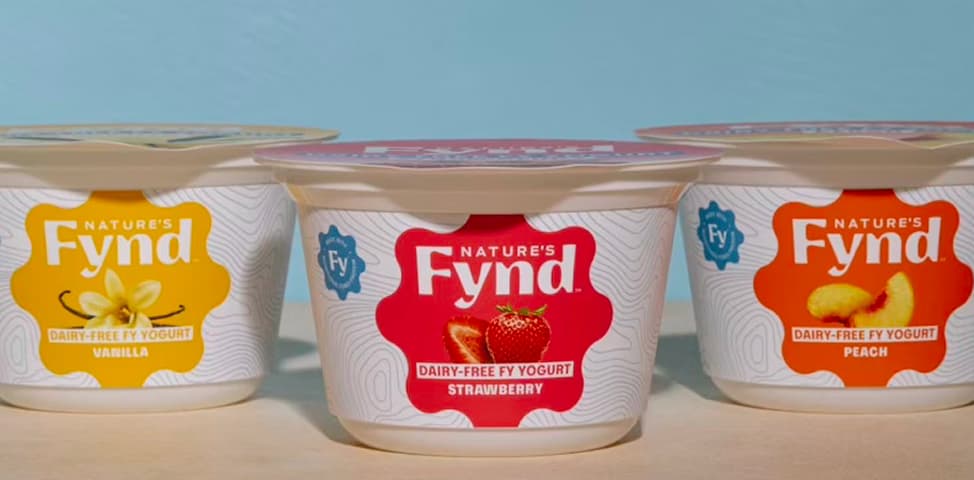
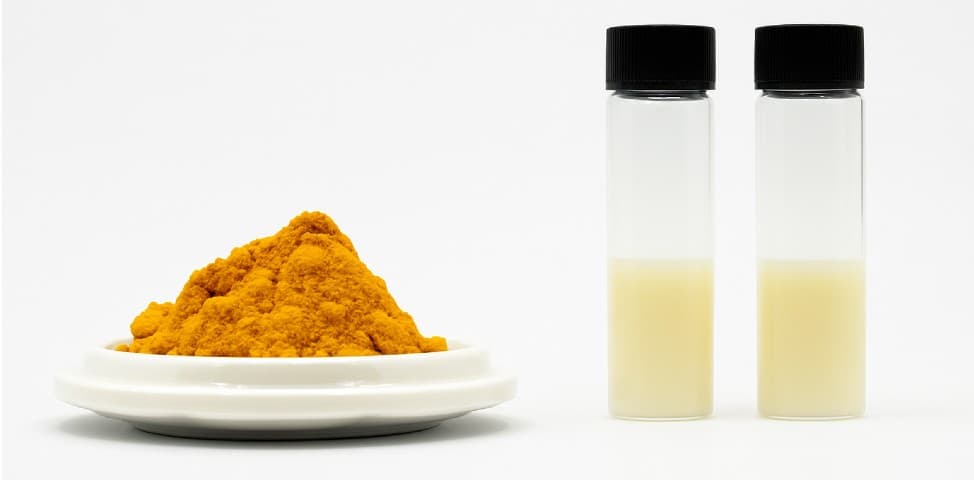
Images: I. Nature’s Fynd. First dairy-free, fungi-based yogurt.|II. Protoga Biotech. The first microalgae-based milk, lactose and cholesterol-free, with DHA oil and microalgae protein.
Sources: 1. Simon et al. (2024). Circular food system approaches can support current European protein intake levels. Nat Food, 5(5). |2. Van der Stricht et al. (2024). Consumer segments less or more willing to adopt foods with microalgae proteins. Food Qual. Prefer., 113, 105047
How relevant is this trend for your organisation?
(1 – Not at all relevant, 5 – Extremely relevant)
What impact does this trend have on the food sector?
(1 – Low impact, 5 – Great impact)
How strongly is this trend influencing consumers?
(1 – Not at all influential, 5 – Extremely influential)