From trash to treasure
Top actions consumers are taking to live more sustainably involve packaging (“reduce plastics use” at the top)1
European consumers positively associate upcycled food with innovation22
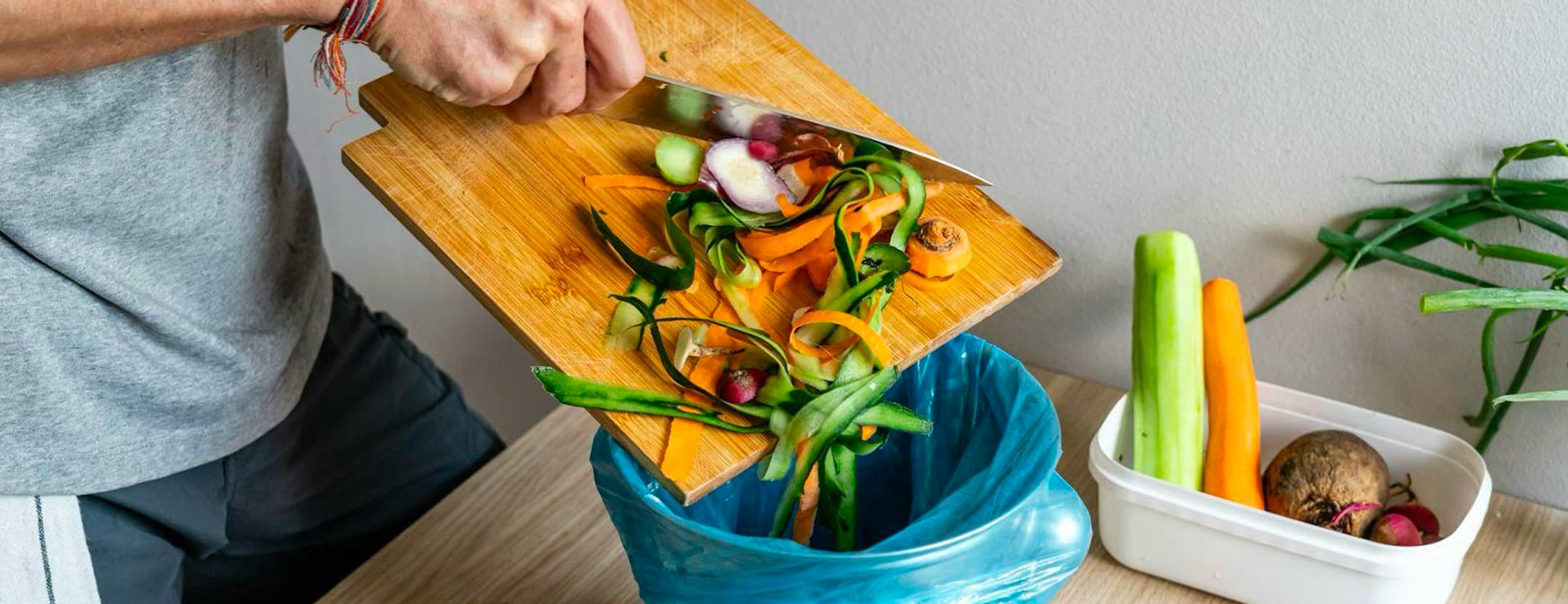
Food waste gains new value as consumers embrace the power of a second life
Waste reduction goes beyond recycling: it’s about rethinking. Consumers now seek smart, healthy, and planet-friendly ways to minimize waste, keeping food out of the bin without compromising safety, quality, or naturalness.
Innovations are transforming leftovers and packaging into valuable solutions such as extending shelf life, smarter packaging and upcycled ingredients.
Upcycled foods are gaining traction, but their success relies on building trust, overcoming neophobia, and proving their quality, health, and sustainability benefits, and clean-label standards.
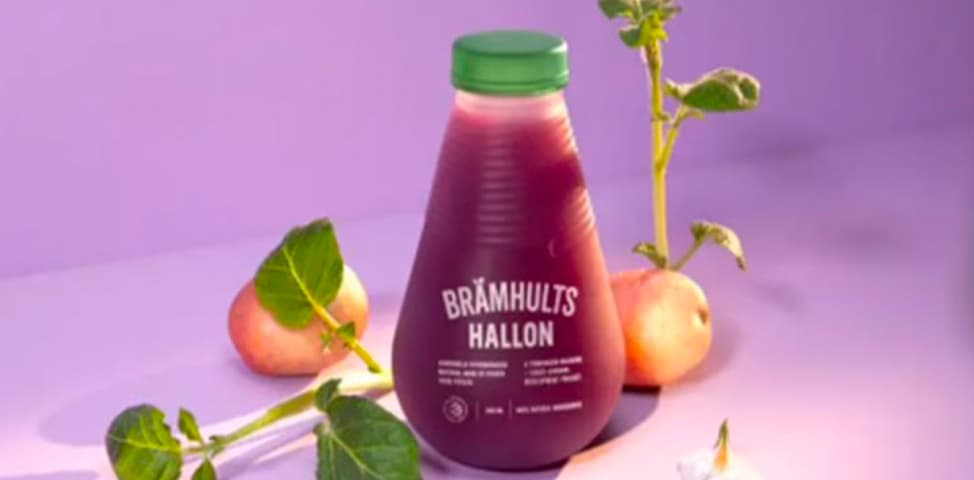
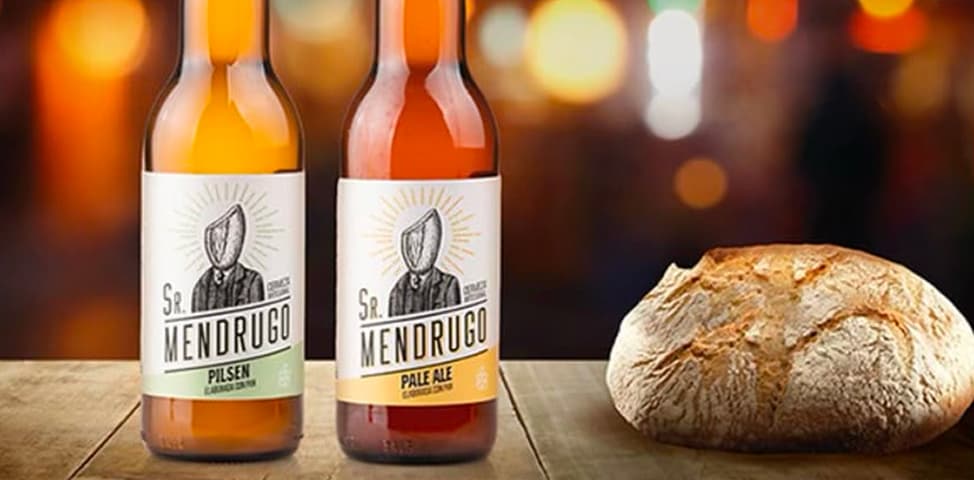
Images: I. GoneShells. Juice bottles made from potato starch which dissolve in warm water.|II. Sr. Mendrugo. Craft beer made from old or discarded bread leftovers.
Sources: 1. Euromonitor International’s Voice of the Consumer: Lifestyles Survey, 2024. |2. Aschemann-Witzel et al. (2023). Consumer understanding of upcycled foods. Food Qual. Prefer., 112, 105033.
How relevant is this trend for your organisation?
(1 – Not at all relevant, 5 – Extremely relevant)
What impact does this trend have on the food sector?
(1 – Low impact, 5 – Great impact)
How strongly is this trend influencing consumers?
(1 – Not at all influential, 5 – Extremely influential)